Masonry Wall Installation in Boston, MA
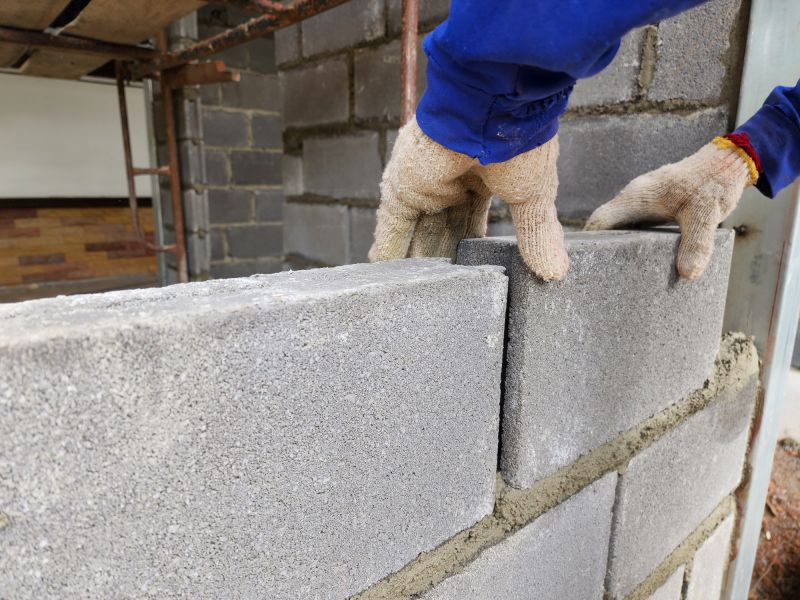
Masonry wall installation services involve constructing durable, long-lasting walls using materials such as brick, stone, or concrete blocks. These walls are commonly used for property boundaries, retaining walls, garden enclosures, or decorative features. Homeowners typically seek this service to enhance privacy, improve landscape aesthetics, or address structural needs on their property. Before requesting masonry wall installation, property owners should consider the intended purpose of the wall, the materials preferred, and any local building codes or regulations that may apply.
Understanding the scope of the project is essential for homeowners considering masonry walls. Factors such as the size and height of the wall, soil conditions, drainage requirements, and aesthetic preferences can influence the planning process. Additionally, property owners often want to know about the durability of different materials, maintenance needs, and how the installation will integrate with existing structures. Clear communication about these details helps ensure the final result meets both functional and visual expectations.
Many property owners in Boston, MA look into Masonry Wall Installation for repairs, replacements, upgrades, and appearance-related improvements.
Types Of Masonry Walls
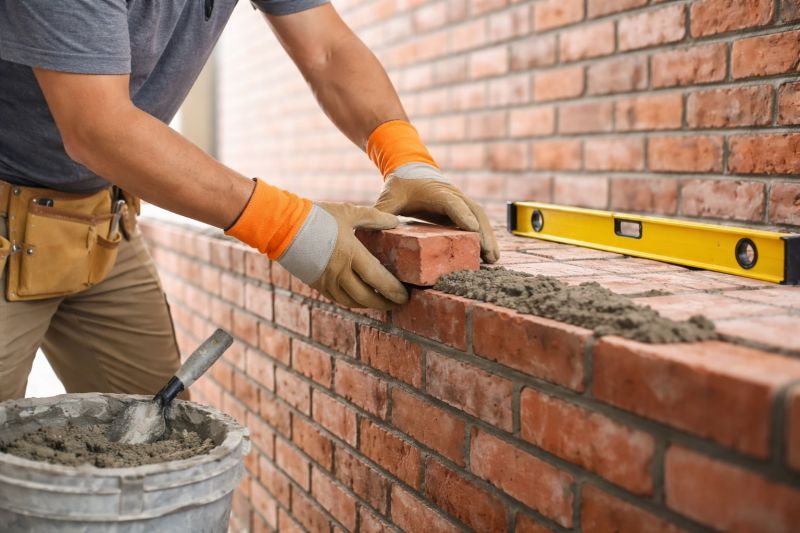
Various materials like brick, stone, and concrete are used for durable wall structures in boston properties.
Common Applications
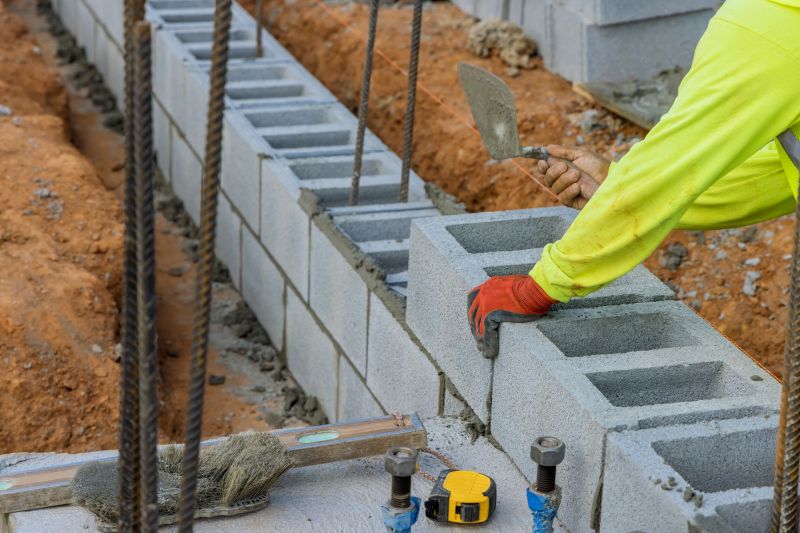
Masonry walls are often installed for property boundaries, garden enclosures, and retaining walls in residential and commercial settings.
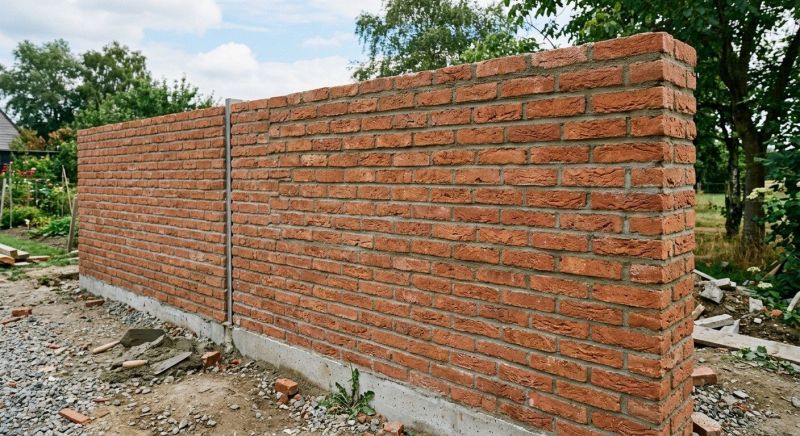
Design And Maintenance
Proper design ensures stability and aesthetic appeal, while regular maintenance helps preserve the integrity of masonry walls over time.
Masonry Wall Installation in Boston, MA

Masonry wall installation services involve constructing durable, long-lasting walls using materials such as brick, stone, or concrete blocks. These walls are commonly used for property boundaries, retaining walls, garden enclosures, or decorative features. Homeowners typically seek this service to enhance privacy, improve landscape aesthetics, or address structural needs on their property. Before requesting masonry wall installation, property owners should consider the intended purpose of the wall, the materials preferred, and any local building codes or regulations that may apply.
Understanding the scope of the project is essential for homeowners considering masonry walls. Factors such as the size and height of the wall, soil conditions, drainage requirements, and aesthetic preferences can influence the planning process. Additionally, property owners often want to know about the durability of different materials, maintenance needs, and how the installation will integrate with existing structures. Clear communication about these details helps ensure the final result meets both functional and visual expectations.
Many property owners in Boston, MA look into Masonry Wall Installation for repairs, replacements, upgrades, and appearance-related improvements.
Common Masonry Wall Installation Jobs
Masonry Wall Installation - Suitable for creating durable boundary walls and garden enclosures.
Retaining Wall Construction - Designed to hold back soil and prevent erosion on sloped properties.
Brick and Block Walls - Ideal for decorative features or structural support around the property.
Stone Wall Building - Adds natural aesthetic appeal and stability to landscape designs.
Capping and Finishing - Provides a polished look and protects walls from weather damage.
Custom Masonry Solutions - Tailored to meet specific design preferences and functional needs.
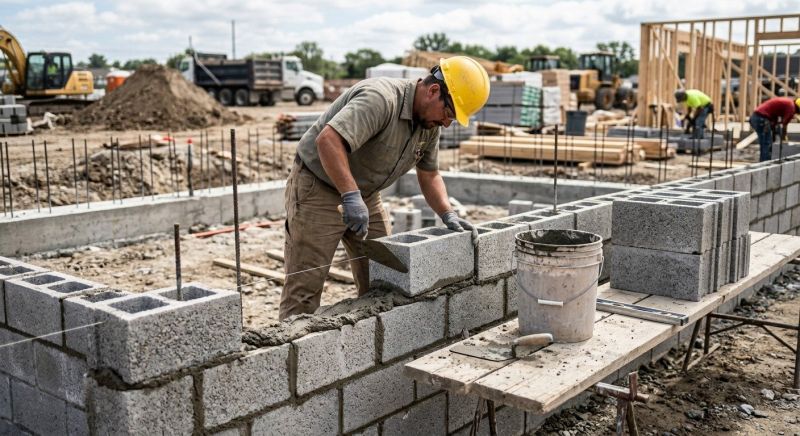
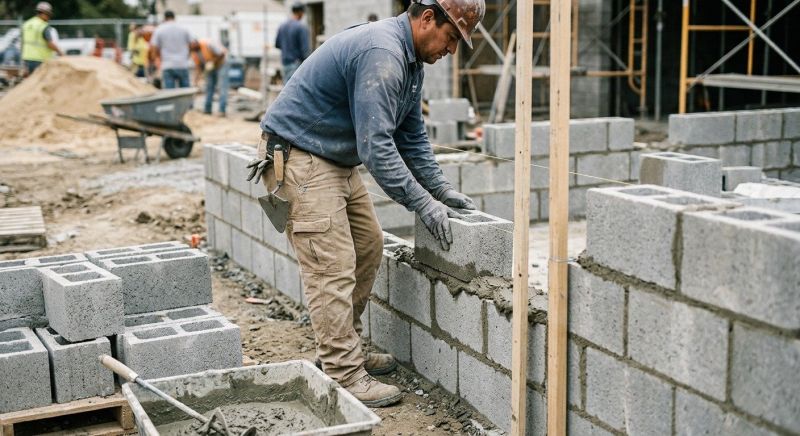
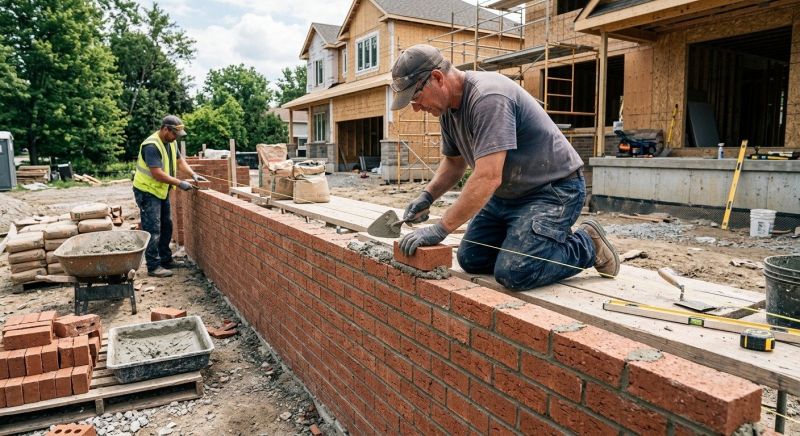
Masonry Wall Installation Questions
What types of masonry walls are commonly installed? Common types include brick, stone, and concrete block walls used for boundaries, retaining structures, and decorative features.
What should property owners consider before installing a masonry wall? It's important to evaluate the purpose, location, and soil conditions to ensure proper foundation and durability.
Are masonry walls suitable for retaining soil? Yes, masonry retaining walls are designed to hold back soil and prevent erosion in various landscape projects.
How long does a typical masonry wall installation take? Installation time varies based on size and complexity, but it generally ranges from a few days to a couple of weeks.
Request Masonry Wall Installation in Boston, MA
Use the quote form on this page to share the basics of your project and request more information for the type of work you need.